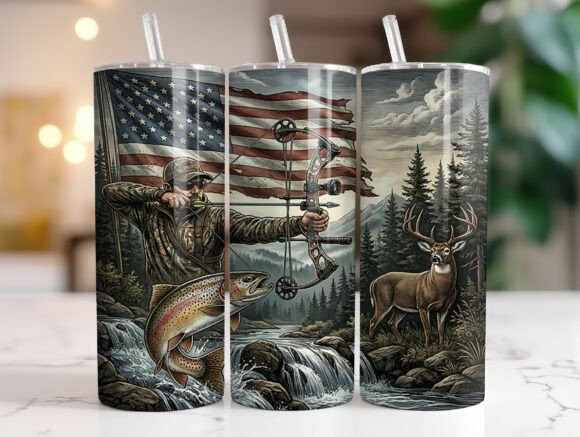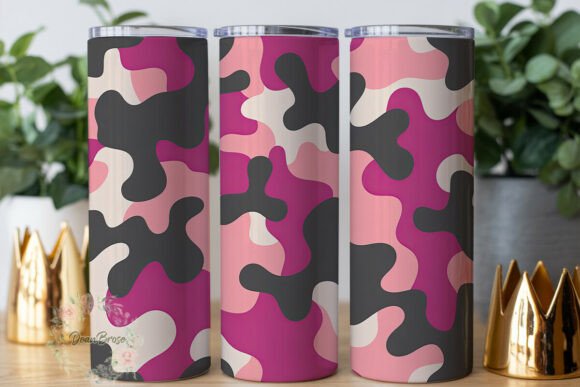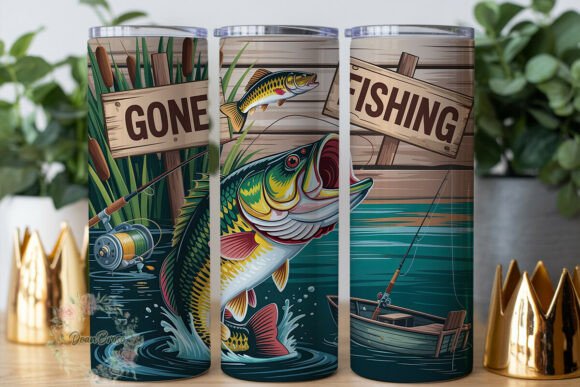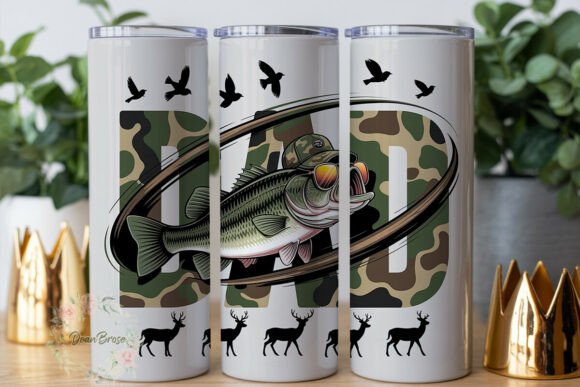
Camo Fishing Hunter Dad 20oz Skinny Review
I have spent years reviewing embroidery files for my own shop and for clients, so I know that the difference between a design that looks great on a screen and one that actually holds up in real life comes down to practical judgment. When I first laid eyes on the Camo Fishing Hunter Dad 20oz Skinny, I didn't just see a graphic; I saw a specific customer profile and a very particular set of use cases. This isn't a generic clip art piece you can slap on anything; it carries a distinct personality that demands thoughtful placement.
The immediate mood this design creates is rugged yet approachable. It speaks directly to the outdoors enthusiast, the weekend warrior, or the dad who loves his morning coffee as much as he loves the woods. As an experienced designer, my first thought was how this would translate from a digital preview into a tactile embroidery project. The visual weight suggests it belongs best on items that can handle a bit of texture and bulk without losing their shape. It feels right at home on heavy cottons, denim, or sturdy canvas, rather than delicate silks or thin synthetics.
From Screen to Stitch: A Real-World Scenario
To truly understand the potential of the Camo Fishing Hunter Dad 20oz Skinny, imagine a specific scenario. You are preparing for the upcoming holiday season, and a client has come to you with a request for a personalized gift for her husband. He is a die-hard angler who spends every Saturday morning on the lake. She wants something unique, not a mass-produced t-shirt found in a big-box store.
I immediately envisioned this design on a high-quality, dark-colored embroidered patch attached to a durable canvas tote bag, perfect for carrying tackle boxes and gear. Alternatively, placing it on a sweatshirt pocket could add a subtle touch of flair without overwhelming the garment. In this context, the design acts as a badge of identity. It tells a story before the wearer even says a word. However, the success of this custom apparel depends entirely on execution. If the stitch density is too high, the fabric might pucker, ruining the crisp lines of the camo pattern. If the thread colors clash with the background, the "Dad" element might get lost in the noise.
This brings us to the core of my review: how does this file perform when we move past the mockup? The dimensions provided suggest a vertical orientation that fits well on the chest area of a hoodie or the front panel of a cap. But remember, embroidery shrinks slightly upon stitching. What looks balanced on your monitor might feel crowded once the threads lock into place. The design's strength lies in its clear shapes, which usually translates well to machine embroidery design, but the finer details require careful scrutiny.
Where This Design Shines
The Camo Fishing Hunter Dad 20oz Skinny is a powerhouse for specific product categories where durability and visual impact are paramount. For Etsy sellers and small business owners looking to expand their catalog, this file is a goldmine for creating cohesive collections. Here is where I believe it delivers the highest value:
- Personalized Gifts: It is ideal for baby onesies (with appropriate sizing adjustments) or nursery decor like pillow covers, bringing a thematic touch to a child's room.
- Small Shop Merchandise: Imagine this on a kitchen towel or apron for a boutique selling outdoor gear. The contrast of the design against a clean white or beige background can make the product pop in online listings.
- Holiday Embroidery: During the fall and winter seasons, this theme resonates strongly with customers looking for gifts for hunters and fishermen. It adds a personal layer to standard holiday gifting.
- Commercial Embroidery Projects: For businesses creating branded uniforms or promotional items, this design offers a professional look that aligns with outdoor industries.
In these applications, the design enhances brand consistency. It signals reliability and a connection to nature, which builds trust with buyers who appreciate handmade quality. When used correctly, it elevates a simple handmade product into a statement piece.
When to Exercise Caution
Every embroidery file has its limitations, and ignoring them can lead to costly mistakes. While the Camo Fishing Hunter Dad 20oz Skinny is versatile, there are scenarios where it requires a lighter touch or should be avoided altogether. First, consider the hoop size. If you attempt to stitch this on a small hoop designed for tiny logos, the intricate details of the camo pattern may blur or merge, resulting in a muddy appearance.
Textured fabrics also present a challenge. If you try to stitch this on a heavily napped fleece or a loose-weave linen, the needle may struggle to penetrate evenly, leading to skipped stitches or distortion. Thin fabrics are another red flag; the tension required to hold the design together might cause the material to tear or wrinkle around the edges. Furthermore, if you are working with stretchy fabrics like jersey knits, you must ensure you are using the correct stabilizer to prevent the design from warping during wear and washing.
Dark fabrics can sometimes hide the nuances of the design unless you choose thread colors with high contrast. Similarly, curved surfaces like caps require precise digitizing to ensure the design lays flat. If the corners are too detailed, they may not transfer cleanly onto the curve, making the finished product look amateurish. Finally, for products that need frequent washing, such as work aprons or kids' clothes, you must verify that the stitch density is robust enough to withstand abrasion without fraying.
Practical Designer Notes for Success
Before you commit to running this design through your machine for a paying client, there are a few non-negotiable steps I recommend taking. The integrity of your reputation as a designer depends on these checks.
- Test on Scrap Fabric: Always run a test stitch on a scrap piece of the actual fabric you intend to use. This reveals how the material reacts to the needle and stabilizer combination.
- Check Thread Color Contrast: Evaluate how the chosen thread colors interact with the fabric. A design that looks vibrant on a screen might appear dull in person if the contrast is low.
- Review Stitch Density: Inspect the fill areas. If the density is too high, the fabric will bunch up; if too low, the backing might show through.
- Confirm Hoop Size: Ensure your hoop accommodates the design dimensions without cutting off any essential elements.
- Inspect Small Details: Zoom in on the digital file and then check the physical stitch-out. Are the fine lines of the camo pattern distinct?
- Test in Black and White: Convert the design to grayscale to see if the composition still holds up without color cues.
- Use Proper Stabilizer: Match the stabilizer type (cut-away, tear-away, or wash-away) to the fabric weight and stretch.
- Verify Licensing: Before selling finished items or digital products, confirm the licensing terms. Some files allow commercial use while others are restricted to personal projects.
The Camo Fishing Hunter Dad 20oz Skinny is more than just a graphic; it is a tool for creative expression. Whether you are crafting a tote bag design for a craft fair or creating a sweatshirt embroidery collection for your online store, this file offers a strong foundation. By approaching it with a critical eye and following these practical guidelines, you can transform a simple digital asset into a cherished finished product that customers will love. Remember, the best designs are those that respect the medium and the maker.