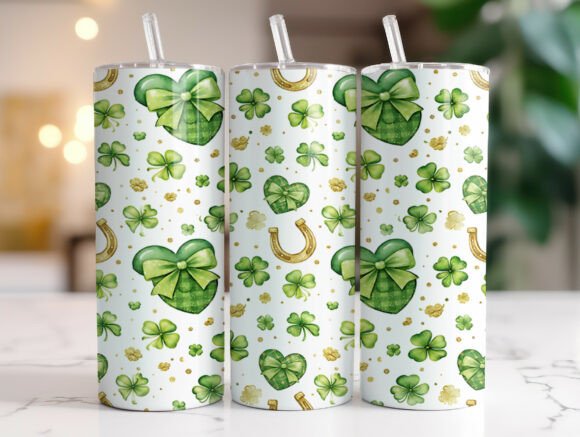
St Patrick's Day Lucky Clover Tumbler Review
As a designer who has spent years evaluating digital assets for real-world application, I approach every new embroidery file with a mix of excitement and skepticism. The market is flooded with generic graphics, but finding something that translates well from a screen to a needle requires careful judgment. Today, I am putting the St Patrick's Day Lucky Clover Tumbler through its paces to see if it holds up as a viable asset for your next embroidery project. This review focuses on practical utility, visual impact, and how this design performs when stitched into tangible products.
First Impressions: Mood and Visual Personality
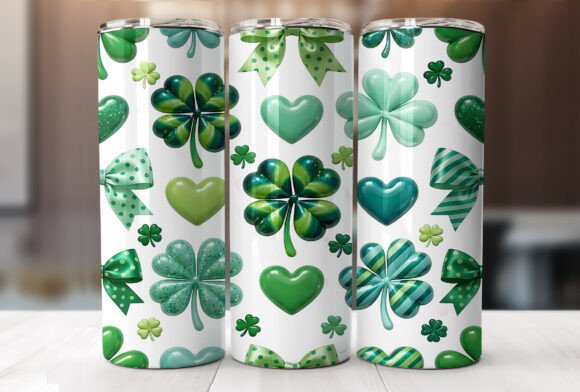
The moment you open the files for the St Patrick's Day Lucky Clover Tumbler, the mood is immediately set. It is festive without being overwhelming, capturing the essence of St. Patrick's Day through a clean, recognizable clover motif. The layout feels balanced, offering a strong central focal point that works well for wrapping around cylindrical objects or centering on flat surfaces. Unlike many holiday designs that rely on cluttered text or excessive sparkles, this graphic relies on shape and form. It possesses a friendly, inviting personality that suggests it belongs in homes, shops, and casual wear rather than high-end corporate settings.
Visually, the design creates a sense of luck and warmth. The curves of the clover are smooth, which is a promising sign for machine embroidery. When looking at the straight PNG and tapered PNG options provided in the download, the artist has clearly considered how the image interacts with space. The St Patrick's Day Lucky Clover Tumbler does not feel like a generic clip-art addition; it feels like a cohesive piece of art designed to be integrated into a larger aesthetic. For an Etsy seller or boutique owner, this level of polish is crucial for establishing brand consistency and professional trust with buyers.
Real-World Application: From Screen to Stitch
I recently simulated using this design for a custom order involving a high-quality cotton canvas tote bag intended for a local craft fair. My goal was to create a reusable shopping bag that felt personal and seasonal. The dimensions of the St Patrick's Day Lucky Clover Tumbler (9.3″ x 8.2″) are substantial enough to make a statement on a large tote, yet manageable for standard hoop sizes. However, the true test lies in how the design behaves during the stitching process.
For a project like a sweatshirt embroidery or a kitchen towel, the design's density needs to be scrutinized. If the fill stitches are too dense, the fabric will pucker, ruining the drape of a garment. If they are too sparse, the thread coverage might look patchy. In my mental simulation of stitching this onto a dark green hoodie, the contrast between the potential thread colors and the background fabric becomes the deciding factor. The design's clean lines suggest it would work beautifully with satin stitch for the outlines, providing a crisp edge that defines the clover shape against textured fabrics like fleece or denim.
Consider also the versatility of the two formats included. The straight PNG offers a rigid, rectangular composition ideal for a centered placement on a pillow cover or a square apron. The tapered PNG, however, hints at a dynamic flow, perhaps better suited for a curved surface like a cap or a diagonal placement on a baby onesie. This flexibility allows a small business owner to maximize the utility of a single purchase, creating different product variations from one digital file.
Navigating Technical Challenges and Limitations
While the St Patrick's Day Lucky Clover Tumbler shows great promise, no design is universally perfect. There are specific scenarios where caution is required. For instance, if you plan to use this on a small hoop size, such as a 4x4 inch frame, the detail level might get lost. Tiny elements within the clover leaves could become indistinct or merge together if the stitch count is high relative to the physical size of the item.
Textured fabrics present another hurdle. On a rough burlap or a heavy wool blend, the definition of the design edges may soften. Similarly, stretchy fabrics like jersey knit require a stabilizer strategy that goes beyond standard cut-away backing. Without proper support, the tension of the machine embroidery design could cause the fabric to ripple, distorting the symmetry of the lucky clover. Dark fabrics also demand a thoughtful color palette; if the thread colors chosen do not offer sufficient contrast, the design risks disappearing into the background, negating its visual appeal.
Furthermore, while the description mentions high-resolution PNGs suitable for printing, remember that these are Tumbler Wraps and Graphics meant for digital preview or print-on-demand mockups unless converted into a vector format suitable for digitizing. If you intend to embroider directly, ensure you have the correct digitization data. Relying solely on the raster images for direct stitching is not possible; they serve as references for the underlying embroidery project structure. Always verify the actual stitch count and file compatibility before committing to a production run.
Impact on Product Value and Customer Trust
In the world of handmade goods, the quality of the execution speaks volumes about the maker. A well-executed St Patrick's Day Lucky Clover Tumbler can elevate a simple item into a premium gift. When a customer receives a personalized gift, such as a holiday embroidery piece for a family member, they are buying more than just a cloth; they are buying the assurance of care and attention to detail. A design that stitches cleanly, with consistent stitch density and vibrant thread colors, reinforces the buyer's perception of value.
Conversely, a poorly executed design can lead to returns and negative reviews. If the clover looks lumpy or the colors clash, it undermines the effort put into the rest of the product. By selecting a design like this one, which appears thoughtfully composed, you signal to your customers that you prioritize quality. This is particularly important for Etsy sellers and crafters building a reputation in competitive markets. A strong visual identity helps your custom apparel stand out in search results and social media feeds.
Practical Designer Notes for Success
Before you load this design into your machine, there are essential steps to ensure success. First, always test the design on scrap fabric that matches your final material in weight and texture. This allows you to observe how the St Patrick's Day Lucky Clover Tumbler interacts with the specific weave of your chosen cloth. Check the hoop size carefully; if the design is slightly larger than your hoop, you may need to re-hoop or split the stitching, which can affect alignment.
Review the stabilizer choice based on the fabric. For stable fabrics like cotton twill, a medium-weight cut-away might suffice, but for stretchy materials, a heavier stabilizer is necessary to prevent distortion. Inspect small details closely; if the clover tips are very fine, consider adjusting the thread tension or reducing the speed of the machine to ensure clean stitches. It is also wise to test the design in black and white mockups to confirm that the shapes remain distinct without relying on color alone.
Finally, confirm the licensing terms. Ensure that the digital embroidery file permits commercial use if you plan to sell finished items. Many designers offer licenses that allow for a limited number of sales, so read the fine print regarding commercial embroidery rights. By taking these precautions, you transform a simple download into a reliable asset for your creative business.
The St Patrick's Day Lucky Clover Tumbler offers a solid foundation for seasonal creations. Its clean aesthetic and adaptable layout make it a worthy candidate for various projects, from baby embroidery to embroidered patches. With careful planning and technical diligence, this design can help you produce high-quality, desirable products that resonate with your audience.