Hand Drawn Coffee Vector Set Review
I have spent years stitching, designing, and reviewing digital assets for the embroidery community. There is a specific moment when you download a new file where the excitement meets reality: Will this actually look good on fabric? Does it hold up under the needle, or will it turn into a muddy mess after washing? Today, I am putting Hand Drawn Coffee Vector Set through that exact stress test. As an experienced designer evaluating this asset for real-world application, I want to share my honest perspective on how these minimalist lines translate from screen to stitch.
The First Impression: Mood and Visual Personality
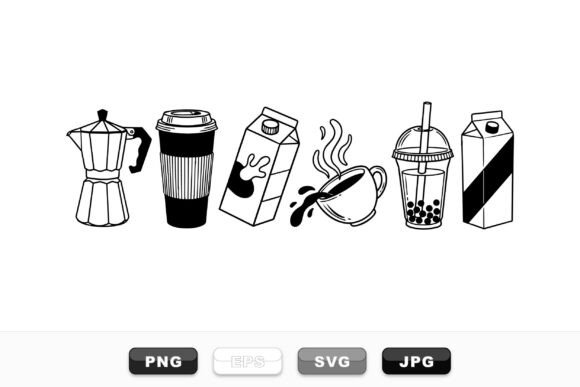
When I first opened the folder containing the Hand Drawn Coffee Vector Set, the immediate feeling was one of clean, modern simplicity. In a market often cluttered with overly complex, high-density designs, this collection offers a breath of fresh air. The aesthetic is undeniably minimalist black and white line art, featuring a curated selection of coffee and beverage containers. We are talking about everything from a classic moka pot and a takeaway cup to a milk carton, a hot coffee spilling cup, bubble tea, and a striped carton.
This isn't just a random assortment; it feels like a cohesive brand identity waiting to happen. The "hand drawn" quality gives it a warmth that machine perfection sometimes lacks. It creates a mood that is cozy, artisanal, and approachable. For a craft business owner or an Etsy seller, this visual personality is gold. It suggests a boutique coffee shop vibe without needing to be literal about it. The shapes are distinct enough to be recognizable even when simplified for embroidery, which is the most critical factor for any successful machine embroidery design.
Real-World Application: A Case Study in Custom Totes
To truly understand the value of this set, let's imagine a practical scenario. You are preparing for a local craft fair and need to create custom merchandise for your handmade shop. You decide to design a series of canvas tote bags featuring a coffee theme. This is a staple item for any creative entrepreneur, but the success relies entirely on the design choice.
If I were to use the Hand Drawn Coffee Vector Set for this project, specifically the takeaway cup or the moka pot, the result would likely be incredibly professional. The linear nature of the artwork means that when converted into an embroidery file, the outlines can be rendered beautifully using satin stitches or running stitches. On a natural canvas tote, the contrast between the thread color and the fabric texture would pop without looking heavy. Unlike dense fill stitches that can make a bag feel stiff, this design allows the fabric to breathe.
Imagine the customer reaction: they pick up the bag, see the delicate line work of the bubble tea or the striped carton, and immediately recognize the effort. It elevates the perceived value of the handmade product. It signals that the creator cares about aesthetics, not just speed. This level of detail fosters trust and encourages buyers to return for more personalized gifts or boutique products.
Technical Performance on Fabric
Moving beyond the concept, how does this design behave during the actual stitching process? The versatility of the Hand Drawn Coffee Vector Set makes it suitable for a wide range of projects, from sweatshirt embroidery to delicate baby embroidery. However, the execution requires thoughtful planning regarding stitch density and stabilizer choices.
Because the source is vector line art, the resulting design relies heavily on the clarity of the lines. When applied to a soft sweatshirt, the design should maintain its crisp edges. The lack of excessive fill areas reduces the risk of puckering, a common complaint among those who struggle with thick, blocky designs. For custom apparel like t-shirts or aprons, the thin lines offer a sophisticated alternative to bold logos. It works particularly well as a chest logo on a barista's uniform or a subtle accent on a kitchen towel.
I also considered its potential as an embroidered patch. The defined borders of the moka pot or the milk carton make excellent candidates for patches that can be ironed onto denim jackets or caps. The negative space within the line art allows for creative backing colors if you choose to add applique elements later, though the design stands strong on its own.
Where Caution is Required
While the design is versatile, no single asset is perfect for every situation. As a reviewer, I must highlight where the Hand Drawn Coffee Vector Set might face challenges. The primary constraint lies in small hoop sizes. If you attempt to stitch a highly detailed version of the spilling cup or the intricate stripes on the carton into a tiny 4x4 inch area, the details may become indistinguishable. The lines could merge, losing the hand-drawn charm that makes the design special.
Fabric texture is another critical factor. On very rough or nubby fabrics, the fine lines of the vector set might get lost in the weave. Similarly, stretchy fabrics require extra care. While the design itself is light, the stability of the garment matters. If you are working on a cap or a curved surface, ensure you have a rigid backing or proper stabilizer to prevent distortion. Dark fabrics present a unique challenge; while the black and white concept is clear on paper, you will need to select high-contrast thread colors (like white or cream) to ensure the lines remain visible against dark backgrounds.
Furthermore, for products that need frequent washing, such as daily-use aprons or baby clothes, the durability of the stitch pattern is key. Since this design relies on outlines, ensure the satin stitch coverage is sufficient to withstand abrasion. If the lines are too sparse, they might unravel over time. Always inspect the small details before finalizing the production run.
Designer Notes for Success
Before you hit the start button on your machine, there are several practical steps to ensure your finished product meets professional standards. First, always test the design on scrap fabric. This is non-negotiable. You need to verify how the stitch density interacts with your specific material. Check the thread color contrast; a design that looks perfect on a white monitor might vanish on a grey shirt.
Review the stitch types carefully. The running stitch or satin stitch options should align with the flow of the original vector lines. Confirm your hoop size matches the design dimensions to avoid cropping out essential elements like the handle of the coffee cup. If you are selling these items commercially, double-check the licensing terms. Are you allowed to sell finished goods made with this digital embroidery file? Do you need a separate license for commercial embroidery projects?
Don't forget to compare light and dark fabric backgrounds using printable mockups before committing to mass production. This helps visualize how the design assets will perform in real life. Ensure you use the proper stabilizer to support the fabric, especially for tote bag design or kitchen towel embroidery where the fabric might shift.
Final Verdict
The Hand Drawn Coffee Vector Set is a thoughtful addition to any crafter's library. It bridges the gap between digital precision and the warmth of hand-crafted art. Whether you are an Etsy seller looking to refresh your shop listings, a small business owner creating holiday embroidery gifts, or a hobbyist making a personalized gift for a coffee lover, this design delivers on its promise of style and simplicity.
It respects the medium of embroidery by avoiding unnecessary complexity while maintaining visual interest. By understanding its strengths and respecting its limitations, you can transform these simple lines into high-value small shop products that customers will love. Just remember to test, plan, and execute with care, and you will find that this set is far more than just a graphic—it is a tool for building a brand.