Recipe for Mom Floral Watercolor Tumbler Review
I have spent years reviewing machine embroidery design assets, testing everything from dense fill stitches to delicate running lines on everything from stiff denim to slippery satin. When I first laid eyes on the Recipe for Mom Floral Watercolor Tumbler, my initial reaction wasn't just about the aesthetic; it was about utility. In the world of handmade goods and small business merchandise, a design must do more than look pretty in a digital preview; it must hold up under the needle and translate well to a physical product.
This specific graphic falls into the category of Tumbler Wraps and is sold as a high-resolution Graphics asset. However, as a designer who frequently creates custom apparel and personalized gifts, I immediately started thinking about how this would function beyond just a standard tumbler wrap. The watercolor floral theme suggests warmth, domesticity, and a touch of elegance, making it a prime candidate for kitchen-themed products or sentimental gift items.
The First Impression: Mood and Visual Personality
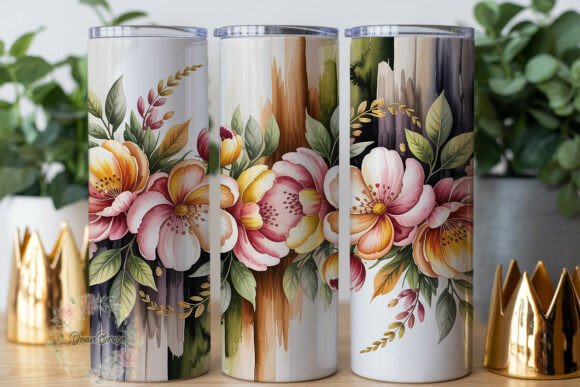
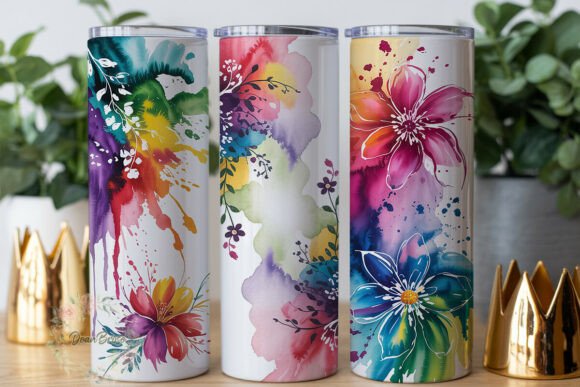
The moment you open the file, the Recipe for Mom Floral Watercolor Tumbler exudes a soft, inviting energy. The watercolor style is crucial here because it mimics the organic flow of hand-painted art rather than the rigid edges of vector graphics. For an embroidery project, this translates to a design that feels approachable and artisanal. It doesn't scream "mass-produced"; instead, it whispers "handmade with love."
The dimensions provided, 9.3″ x 8.2″, are substantial. This isn't a tiny logo meant for a chest pocket; it is a statement piece designed to cover a significant surface area. The layout is balanced, allowing the floral elements to frame the central text without overwhelming the viewer. When I visualize this stitched onto a fabric, the mood it creates is one of gratitude and home. It naturally belongs in projects centered around motherhood, family gatherings, or culinary arts.
Real-World Application: Beyond the Tumbler
While the product title explicitly mentions tumblers, limiting its use case to drinkware would be a disservice to the versatility of the design. As a designer evaluating this for real project use, I see immense potential in adapting this asset for other embroidery projects. Imagine taking this design and stitching it onto a heavy-duty cotton apron for a local bakery owner. The watercolor flowers would soften the industrial look of the apron, adding a personal touch that customers would appreciate.
Consider a scenario where a client orders a batch of custom sweatshirts for a church group or a craft club. Placing the Recipe for Mom Floral Watercolor Tumbler across the back of a crewneck sweatshirt could create a stunning focal point. The large dimensions allow the floral details to breathe, preventing the design from looking cramped. Similarly, for baby embroidery, this design could be scaled down slightly (if the software allows) or placed centrally on a nursery wall hanging or a blanket border. The gentle color palette fits perfectly with baby shower gifts or new mom appreciation packages.
I also envision this working beautifully as a tote bag design. A canvas tote featuring this watercolor floral motif would be a perfect carry-all for a boutique owner selling homemade jams or baked goods. The design adds a layer of professionalism to the small shop product, elevating it from a simple grocery bag to a branded shopping experience. For Etsy sellers or those attending craft fair products, having a cohesive visual identity like this can significantly boost brand recognition.
Technical Considerations and Stitching Challenges
However, every design has its limitations, and understanding them is key to a successful finished product. The Recipe for Mom Floral Watercolor Tumbler is delivered as PNG files. While high resolution at 300 DPI is excellent for printing, it is not a native machine embroidery file (.pes, .dst, etc.). If you intend to stitch this directly, you will need to trace or digitize the image yourself, which requires careful attention to detail.
If you are using this as a transfer guide for applique or free-motion embroidery, the watercolor gradients present a unique challenge. Unlike solid blocks of color, watercolors rely on subtle shifts in hue. On a textured fabric like linen or a thick terrycloth towel, these nuances might get lost. You must consider your thread colors carefully. Using a single thread color for a gradient effect is nearly impossible in standard embroidery; you will likely need to mix shades or use variegated threads to capture the watercolor feel.
There are also specific areas where caution is advised. Small hoop sizes will struggle to accommodate the full 9.3″ width without distortion. If you attempt to fit this into a tight curve, such as on a baseball cap, the straight lines of the text and the flow of the flowers may warp unpleasantly. Furthermore, on stretchy fabric, the density of the design needs to be managed to prevent puckering. If the design includes any fine lettering, ensure that the font weight is sufficient to hold up after washing. Dense stitch areas can make the fabric stiff, which might be undesirable for items like baby clothes or pillow covers that require softness.
Impact on Product Value and Customer Trust
In the competitive landscape of commercial embroidery, presentation matters immensely. A well-executed Recipe for Mom Floral Watercolor Tumbler project signals quality to the buyer. When a customer sees a design that looks intentional and professionally rendered, their trust in the maker increases. This design, with its clear theme and high-quality visuals, helps establish a consistent brand voice.
For personalized gifts, the emotional connection is heightened. A mother receiving a kitchen towel embroidered with this design will feel the thoughtfulness behind the labor. It transforms a utilitarian item into a keepsake. This emotional resonance is what drives repeat business for creative entrepreneurs. Conversely, a poorly executed version—where the colors clash or the stitching is uneven—can damage that perception instantly. Therefore, the visual appeal of the source material is only half the battle; the execution is the other half.
Practical Designer Notes for Execution
Before you commit this design to a final production run, there are several steps I recommend taking. First, always test the design on scrap fabric first. This is non-negotiable. Run a test stitch to check how the design interacts with your specific fabric type and stabilizer choice. You want to ensure that the stitch density is appropriate for the material you are using.
Review the stabilizer requirements. Large designs like this often require cut-away stabilizers to maintain stability over time, especially if the finished product will undergo frequent washing. Check whether the design works for both personal and commercial projects by verifying the licensing terms included with your purchase. Do not assume that buying a digital file grants you unlimited rights to sell thousands of units.
Inspect the small details closely. Are there any stray pixels or jagged edges in the PNG that might translate poorly into stitches? Test it in black and white mockups to ensure the contrast remains strong even if the colors are muted. Compare light and dark fabric backgrounds to see how the design holds up against different canvases. Finally, confirm the hoop size limits of your machine and ensure your design fits within the maximum embroidery area without requiring awkward re-hooping.
The Recipe for Mom Floral Watercolor Tumbler offers a beautiful foundation for a wide range of custom apparel and home decor items. Whether you are creating a holiday gift, a boutique branding element, or a heartfelt present for a loved one, this design provides the visual structure needed to succeed. By approaching it with technical diligence and creative vision, you can turn a simple digital file into a cherished physical object that stands out in any market.