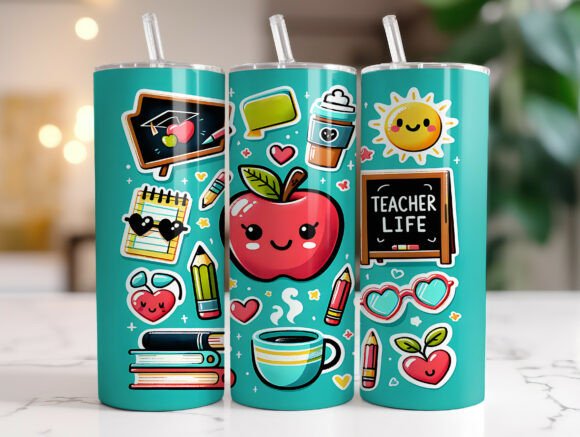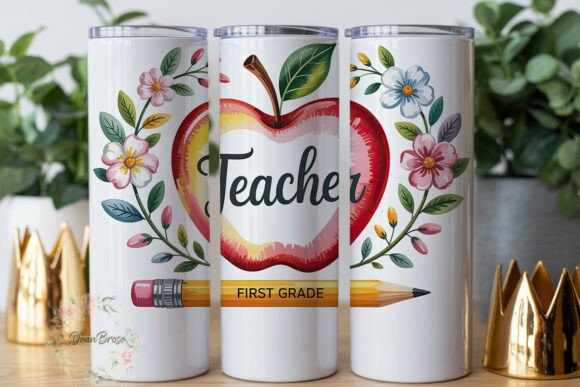
Teacher First Grade Apple Design Tumbler
As a designer who spends half my life staring at stitch charts and the other half worrying about whether a client’s fabric will pucker under tension, I don’t just look at an embroidery design; I evaluate its potential in the real world. When I first pulled up the Teacher First Grade Apple Design Tumbler, I didn’t just see a graphic; I saw a specific type of customer, a specific mood, and a very clear path to a finished product that feels personal rather than mass-produced.
This isn’t just another clipart file slapped onto a template. This is a machine embroidery design concept that leans heavily into the emotional connection between educators and their students. The theme is immediate: gratitude, nostalgia, and the pride of the classroom. For those of us running small shops or crafting personalized gifts, understanding this emotional hook is just as important as understanding the geometry of the stitches.
The Mood and Visual Personality
The first thing that strikes you about the Teacher First Grade Apple Design Tumbler is its warmth. It doesn’t scream for attention with neon colors or chaotic layouts. Instead, it offers a quiet confidence. The apple motif is classic, almost timeless, but the execution here feels modern enough to fit into a contemporary boutique aesthetic. It creates a mood of appreciation without being overly sentimental in a cheesy way.
In terms of layout, the design appears balanced. It has a central focal point—the apple—that anchors the viewer’s eye, surrounded by supporting elements that likely include text or decorative borders. This balance is crucial for embroidery because it prevents the design from looking top-heavy or lopsided when transferred to fabric. The visual personality is friendly, approachable, and professional. It says, "I value your work," rather than "Look how fancy this is."
This kind of embroidery project works exceptionally well for teachers because it validates their profession. It’s not just a generic holiday gift; it’s a recognition of the hard work involved in teaching first grade. That distinction matters when you are trying to sell a handmade product on Etsy or at a craft fair. Buyers aren’t just buying a tumbler wrap; they are buying a token of respect.
Real-World Application and Versatility
So, where does this design actually live? While the title suggests a tumbler, a savvy designer knows that great graphics can be adapted. However, sticking to the core intent, this Tumbler Wraps concept is perfect for insulated tumblers, which are currently one of the most popular items for teacher appreciation week, back-to-school events, and end-of-year gifts.
Imagine a custom sweatshirt embroidery piece using the same apple motif. The boldness of the apple shape translates well to heavier fabrics like fleece or cotton blends found in hoodies. Similarly, this could be adapted into a tote bag design for a teacher’s supply kit. The clean lines of the apple ensure that even if the surrounding details are intricate, the main icon remains legible from a distance.
For Etsy sellers and small shop owners, the versatility extends to digital assets as well. You can use high-resolution mockups of this design to showcase how it looks on various products before committing to production. This allows you to test different thread colors against different backgrounds digitally, saving time and material costs.
The design also fits naturally into the realm of personalized gifts. Adding a name or a date to the apple design transforms it from a generic item into a unique keepsake. Parents often buy these for their child’s teacher, and teachers love displaying them in their classrooms. The finished product becomes part of the teacher’s identity, which increases the perceived value of your work.
Where to Exercise Caution
Not every surface is created equal, and no matter how beautiful the graphics, poor execution can ruin a design. Here are the areas where you need to be careful:
- Small Hoop Sizes: If you attempt to digitize or apply this to a very small area, such as a cap front or a tiny patch, you risk losing detail. Ensure your hoop size accommodates the full width and height of the design without unnecessary trimming.
- Textured Fabrics: While tumblers are usually smooth vinyl or stainless steel, if you adapt this to fabric, avoid highly textured materials like bouclé or heavy chenille unless you have extensive experience. The texture can interfere with the satin stitch clarity, making the apple edges look fuzzy rather than crisp.
- Stretchy Fabric: If you are applying this to a knit shirt or a stretchy tote bag, proper stabilizer usage is non-negotiable. Without it, the fill stitch areas may distort, causing the apple to look misshapen.
- Dense Stitch Areas: Check the stitch density of the design. If the fill is too dense for the fabric weight, it can become stiff and uncomfortable. Always test on scrap fabric first to feel the hand of the final product.
Technical Considerations for the Designer
When evaluating any digital embroidery file, I always look beyond the image. I think about the mechanics of stitching. For the Teacher First Grade Apple Design Tumbler, the contrast between the red of the apple and the background is key. On a dark tumbler, you’ll need lighter thread colors or a backing layer to make the design pop. On a light tumbler, standard reds and greens will stand out beautifully.
I also recommend reviewing the design in black and white mockups. This helps determine if the shapes hold up without the crutch of color. If the apple loses its form when stripped of color, the underlying structure might be too weak for complex embroidery.
Another critical step is inspecting small details. Are there tiny leaves or stems that might get lost in the stitching process? If so, consider simplifying those elements during the digitizing phase. A cleaner design often reads better on a curved surface like a tumbler, where perspective distortion can blur fine lines.
Impact on Brand and Customer Trust
Using a well-crafted design like this directly impacts your brand consistency. When customers receive a commercial embroidery job that looks polished and intentional, they trust you more. They assume you care about quality. This trust leads to repeat business and positive reviews, which are vital for any craft business.
The Teacher First Grade Apple Design Tumbler also enhances giftability. It feels thoughtful and specific. In a market flooded with generic mugs and pens, a customized embroidered item stands out. It shows effort. For creative entrepreneurs, this means higher conversion rates because the product solves an emotional need—showing appreciation for a teacher.
Furthermore, the professionalism of the presentation matters. Whether you are selling physical goods or design assets, ensuring that your mockups and descriptions highlight the practical benefits of the design (like durability and washability) builds buyer engagement. Customers want to know that their investment will last through the school year and beyond.
Final Thoughts for Makers
Before diving into production, remember to check licensing. If you plan to sell finished items made from this design, ensure you have the appropriate commercial license. This protects your small business merchandise from legal issues and ensures you are operating ethically within the embroidery community.
The Teacher First Grade Apple Design Tumbler is more than just a pretty picture. It is a strategic tool for connecting with a niche audience that values sentiment and quality. By paying attention to stitch density, fabric choice, and presentation, you can turn this simple concept into a best-selling handmade product. It’s a reminder that in the world of embroidery, the best designs are those that resonate emotionally while standing up to the rigors of real-world use.
Whether you are a seasoned pro or just starting your journey as an Etsy seller, this design offers a solid foundation for creating meaningful, profitable projects. Test it, tweak it, and make it your own. The result will likely be a product that brings a smile to a teacher’s face—and that’s a return on investment that goes far beyond dollars.